Analysis
Urban Architecture: The Heartbeat of City Life
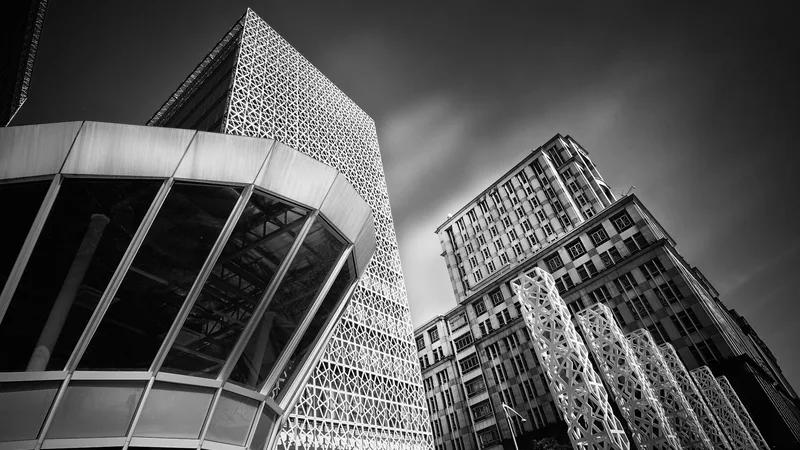
The skyline of a city tells stories, each building a chapter in the narrative of urban life. From towering skyscrapers to charming low-rise structures, architectural photography captures these…
From Architectural Photography toward casino entertainment.

Top story
Explore stunning architectural photography and the nuances of online baccarat play.
Henry Murray · Profile
Analysis
The skyline of a city tells stories, each building a chapter in the narrative of urban life. From towering skyscrapers to charming low-rise structures, architectural photography captures these…
Analysis
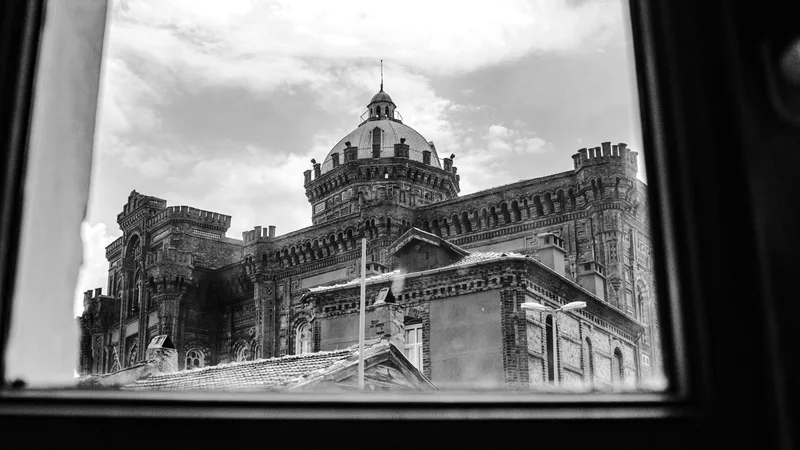
As the sun sets, casting a golden hue over the intricate details of the ancient cathedral, I raise my camera. Each click captures not just stone and mortar, but centuries of stories etched into the…
Analysis
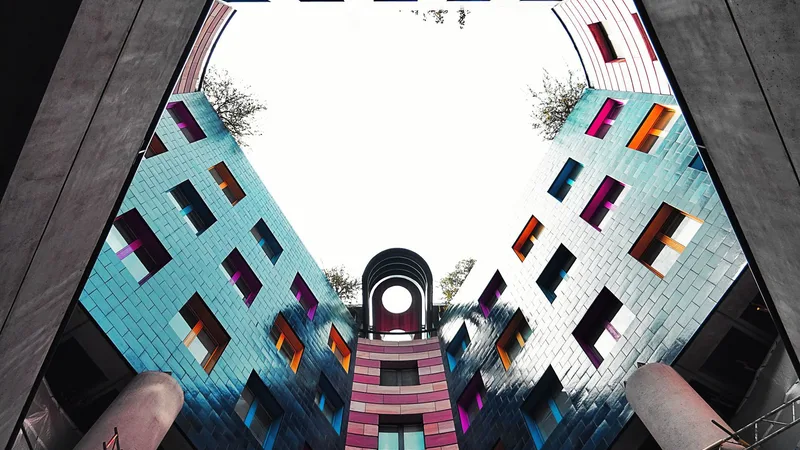
A breathtaking shot of the Sydney Opera House at sunset captures the intricate design and unique contours of its sails, drawing the viewer into a world where architecture meets artistry. Each angle…
Analysis
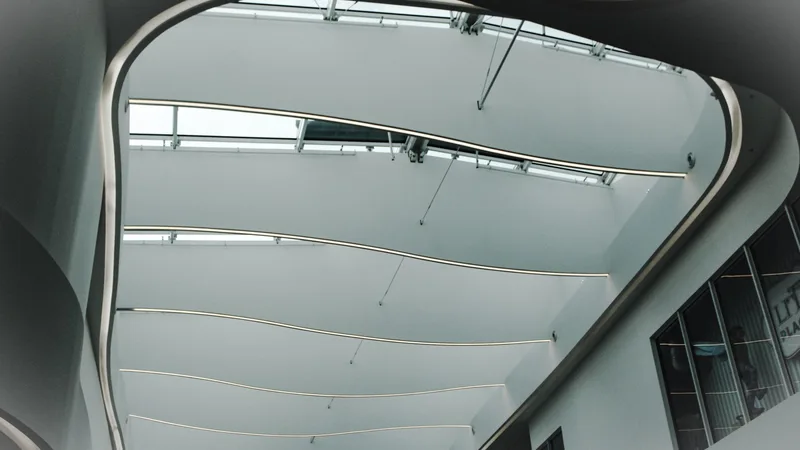
Standing in the heart of a city, I find myself captivated by the interplay of light and architecture. The sun casts dramatic shadows across the sleek glass façade of a modern skyscraper, revealing…
Analysis
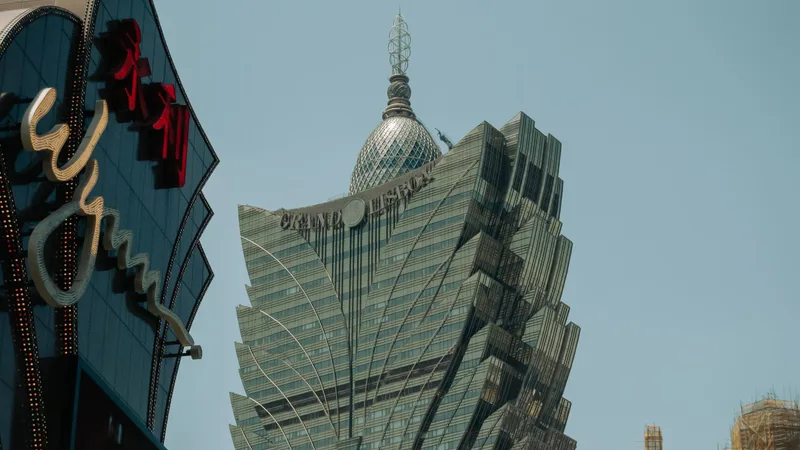
Imagine standing in a grand hall, where sunlight filters through expansive glass walls, illuminating intricate stonework and soaring ceilings. This is architectural photography, capturing spaces that…
Analysis
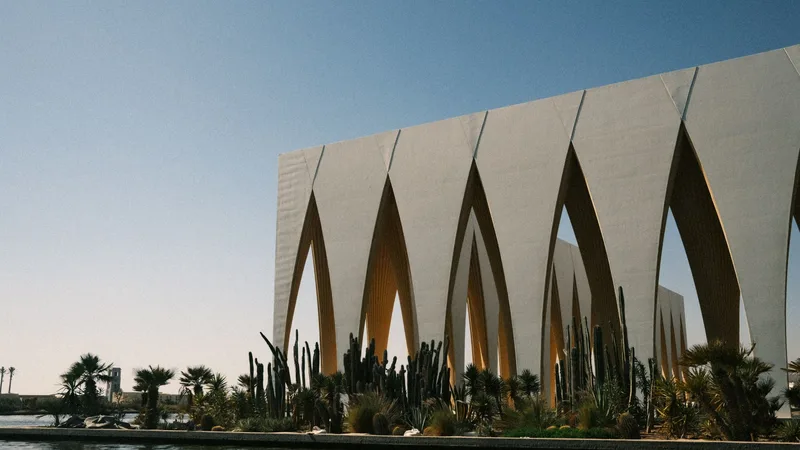
Walking through the grand entrance of a historic casino, I am struck by the intricate details of the architecture. High ceilings adorned with ornate moldings, massive chandeliers casting warm light,…
The beauty of architectural photography lies in its ability to capture intricate details of structures that tell stories of their time. From the soaring spires of cathedrals to the minimalist lines of modern homes, each photograph offers a glimpse into the artistry and craftsmanship behind these masterpieces
This journey through design explores iconic buildings and the photographers who immortalize them. Their lenses reveal not just the structures but also the emotions and atmospheres that surround them, inviting viewers to appreciate the blend of functionality and artistry.
Architectural photography captures the essence of structures, showcasing their beauty and design intricacies. This art form requires a keen eye, technical skills, and a deep understanding of how buildings interact with their environment. Whether you're a professional photographer or an enthusiast, mastering the techniques of this genre can enhance your work. Each photograph tells a story, revealing the architect's vision and the materials used, which deepens appreciation for the built environment.
To effectively highlight architectural elements, photographers must consider various techniques that bring out the best in each structure. From selecting the right angles to using appropriate lenses, each choice impacts the final image. Observing the site at different times of day can yield fascinating results, as light changes the appearance and mood of a building. The goal is to create images that resonate with viewers and convey the unique characteristics of the architecture.
Detail shots are essential in architectural photography, as they reveal craftsmanship and design elements often overlooked. Utilize close-up shots to focus on textures, materials, and architectural features. Experimenting with depth of field can isolate these details against a blurred background, drawing the viewer's attention. A tripod is invaluable for steady shots, particularly in low-light conditions. Including people in your images for scale adds context and a sense of life to your shots
Lighting plays a crucial role in architectural photography. Different times of day offer varying qualities of light, which can dramatically alter the perception of a structure. Golden hour, just after sunrise or before sunset, provides soft, warm tones that enhance the beauty of buildings. Composition is equally important; applying the rule of thirds can create a balanced image. Keep an eye out for reflections and shadows, as they can add depth and interest to your photographs. 📸
Exploring iconic structures across the globe offers inspiration for photographers and architecture enthusiasts. Each building tells a unique story, reflecting cultural, historical, and artistic influences. From ancient wonders to modern marvels, these structures provide endless opportunities for captivating photography. How they interact with their surroundings influences how they are perceived through the lens. Understanding their significance can enhance the narrative in your photographs.
Among the most notable architectural feats, the Guggenheim Museum in Bilbao stands out for its innovative design and striking forms. Frank Gehry's masterpiece is not just a gallery; it's an experience in itself. The building's organic shapes and reflective surfaces interact beautifully with the surrounding landscape. Capturing this structure in different light conditions can yield spectacular images, showcasing its fluidity and elegance.
The Guggenheim Museum is an architectural landmark that challenges conventional design. Its asymmetrical and sculptural forms invite exploration, making it a favorite among photographers. The interplay of light and shadow on its titanium cladding creates dynamic images, especially at sunrise or sunset. The surrounding waterfront adds context, providing opportunities for stunning reflections. This building illustrates how architecture can harmonize with its environment and inspire creativity in photography
The Eiffel Tower remains one of the most photographed structures globally, yet it offers endless possibilities for fresh perspectives. Capturing this iconic landmark from different angles can dramatically change its perception. Consider shooting from underneath to emphasize its grandeur or from long distances for a dramatic skyline shot. Each angle reveals new details and stories about this engineering marvel. Experiment with different compositions to find the most compelling image. 🌍
Architectural photography captures the essence of space, structure, and design. Some photographers have mastered this art, pushing the boundaries of how we perceive architecture. Their work not only showcases buildings but also tells stories about the environments they inhabit. Understanding their unique approaches provides insight into architectural photography and its impact on design appreciation.
Among these influential photographers, two stand out for their distinct styles and contributions. Andreas Gursky and Iwan Baan have both redefined how architecture is photographed. Their work reflects not just the buildings themselves but also the broader context in which they exist, enriching our understanding of architectural significance.
Andreas Gursky is renowned for his large-format photographs that often present expansive views of architectural spaces. His images blur the lines between reality and manipulation, creating a hyper-realistic portrayal of modern structures. Gursky's works invite viewers to engage with the scale and detail of buildings, often highlighting the relationship between human activity and architecture. His iconic piece "Rhein II" is a prime example, showcasing how perspective can transform simple landscapes into profound statements about space and design.
Iwan Baan approaches architectural photography with a narrative focus. He captures buildings in their urban context, emphasizing the interactions between people and their environments. Baan’s work often features candid moments that reveal how architecture influences everyday life. For instance, his photographs of the CCTV Headquarters in Beijing highlight not just the structure but also its role within the city's fabric. This storytelling aspect enriches the viewer's understanding of architecture as a living part of society.
The design of a casino is a blend of artistry and functionality. It creates an atmosphere that draws visitors in, encouraging them to explore and engage. Architectural spaces in casinos are meticulously crafted to enhance the gaming experience. This fusion of art and gaming is essential for attracting and retaining players, making design choices critical to a casino’s success.
Casino architecture often reflects cultural influences and innovative design trends. Iconic structures serve as entertainment venues and symbols of luxury and excitement. From Las Vegas to Monaco, these spaces captivate the senses and create memorable experiences. Here are a few notable elements to consider in casino design:
Architecture plays a crucial role in shaping the casino experience. The design must balance aesthetics with the practical needs of gaming operations. Elements such as sound management, crowd flow, and visual engagement are all considered during the design process. A well-designed casino not only attracts visitors but also encourages them to stay longer, increasing their chances of engaging in gaming activities. The integration of art within these spaces enhances the overall atmosphere, creating a more immersive experience for players.
Across the globe, several casinos stand out for their architectural significance. Structures like The Venetian in Las Vegas and the Marina Bay Sands in Singapore are not just places to gamble; they are architectural landmarks. Each brings a unique design philosophy that reflects its cultural context. For instance, The Venetian replicates the charm of Venice, while Marina Bay Sands boasts a futuristic aesthetic. These casinos exemplify how architecture can elevate the gaming experience, making them destinations in their own right.
Architectural photography captures the essence of design, showcasing structures that inspire awe and admiration. Each photograph tells a story, revealing the intricate details and artistic vision behind iconic buildings. The interplay of light and shadow, the choice of materials, and the overall composition evoke strong emotions. This appreciation for architecture extends beyond physical structures; it also influences how we engage with digital spaces, particularly in online gaming.
In the context of online baccarat play, architectural aesthetics significantly shape the player experience. Virtual environments immerse players in a setting that reflects luxury and sophistication. This connection between design and gaming enhances the overall atmosphere, creating an engaging backdrop for players as they navigate through their gaming sessions. For many, the allure of a thoughtfully designed virtual casino elevates the excitement of the game itself.
The architecture of online gaming platforms profoundly impacts player engagement. A well-designed interface facilitates smoother navigation and enhances user experience. Elements such as color schemes, spatial arrangements, and thematic consistency contribute to creating a captivating environment. For instance, an elegant baccarat table set against a backdrop of opulent architecture can make players feel as though they are part of a luxurious casino experience, even from their own homes. Thoughtful design can lead to longer play sessions and increased player satisfaction.
Virtual casinos represent a new frontier in the gaming industry; they blend technology with architectural creativity. These spaces often draw inspiration from renowned physical casinos, offering players a taste of luxury and excitement. The design of these virtual environments is crucial in attracting players and retaining their interest. They feature stunning visuals and interactive elements that mimic real-world casino experiences. As online gaming continues to evolve, architectural themes will play a pivotal role in shaping how players interact with these platforms.