Design Elements: What Makes Architectural Photography Stand Out
Henry Murray ·
A breathtaking shot of the Sydney Opera House at sunset captures the intricate design and unique contours of its sails, drawing the viewer into a world where architecture meets artistry. Each angle…
Key Design Elements in Architectural Photography
Architectural photography captures the essence of buildings and structures, showcasing their unique characteristics. Understanding the key design elements is crucial for creating impactful images that resonate with viewers. Whether you're capturing a sleek modern skyscraper or a historic landmark, the right techniques can transform an ordinary shot into an extraordinary one. This art form combines technical skill and an artistic eye, making it an intriguing field for photographers
Among the most significant aspects of architectural photography are lines and shapes, as well as light and shadow. These elements work together to influence perception and create depth. By mastering these components, photographers can convey the intended message of the architecture while also engaging the audience visually. Analyzing how these elements interact can lead to stunning results.
Lines and Shapes
Lines and shapes play a vital role in how we perceive architectural structures. Vertical lines can evoke feelings of stability and strength, while horizontal lines suggest calmness and tranquility. Angled lines convey movement and dynamism, adding energy to the composition. Shapes, whether geometric or organic, contribute to the overall aesthetic and can guide the viewer’s eye through the image. For instance, a well-placed diagonal line can lead the viewer into the photograph, creating a sense of depth and inviting exploration.
Light and Shadow
The interplay of light and shadow is essential in highlighting architectural features. Natural light can enhance textures and colors, bringing the structure to life. The position of the sun greatly influences how shadows fall, creating patterns that can either emphasize or obscure details. Photographers should be mindful of the time of day and weather conditions, as these factors can dramatically alter the mood of the image. A structure bathed in golden hour light often appears more inviting and visually appealing, making it a prime time for capturing stunning photographs.
Composition Techniques for Stunning Shots
Composition techniques are crucial for achieving stunning shots in architectural photography. Mastering these techniques helps create balanced and engaging images that draw the viewer in. A well-composed photograph can transform a simple structure into a work of art. Various methods can be employed to enhance the visual impact of your shots, making it essential to understand how to apply them effectively.
Among the most effective composition techniques are the rule of thirds and the use of framing and perspective. Each technique guides the viewer's eye and helps establish a focal point within the image. By practicing these methods, photographers can create images that are not only aesthetically pleasing but also communicate the story behind the architecture. Remember to experiment and find the approach that resonates with your style. 📸
Rule of Thirds
The rule of thirds is a classic composition technique that divides an image into a grid of nine equal parts. By positioning key elements along these lines or at their intersections, photographers can create a sense of balance and harmony. This technique encourages dynamic compositions, steering clear of static imagery. Applying this rule in architectural contexts can elevate your shots, making them more engaging. For example, placing a building off-center allows for more surrounding elements, giving context to the structure.
Framing and Perspective
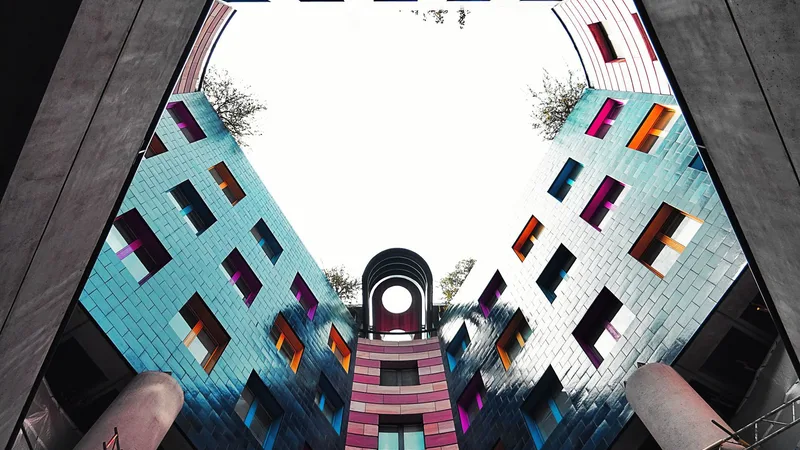
Framing and perspective can dramatically alter the viewer's experience of an architectural photograph. Using natural elements, such as trees or doorways, to frame a structure can create depth and focus. Perspective also plays a crucial role in how a building is perceived. Low angles can emphasize height, while high angles can provide a broader context. Experimenting with these techniques can lead to unique interpretations of familiar structures, making your work stand out in a crowded field.
Capturing Texture and Detail in Buildings
Architectural photography thrives on the ability to capture the intricacies of buildings. The texture and detail in a structure can tell a story, revealing both its history and its design intent. By focusing on different materials and surfaces, photographers can enhance the visual impact of their images. Whether it's the smoothness of glass or the roughness of weathered brick, each element plays a crucial role in how a building is perceived through the lens. Understanding how these textures interact with light can transform a photograph from ordinary to extraordinary.
When photographing architecture, attention must be given to the techniques used to highlight these details. Close-up shots can be particularly effective in showcasing the craftsmanship involved in construction. This approach allows the viewer to appreciate the fine elements that often go unnoticed. The right angle and lighting can turn mundane surfaces into fascinating focal points. Consider experimenting with various lenses to achieve the desired effect.
Materials and Surfaces
Different materials contribute uniquely to architectural imagery. For example, reflective surfaces like glass can create striking contrasts with their surroundings, while porous materials like stone can absorb light, adding depth to an image. Each surface offers distinct challenges and opportunities. Pay close attention to how light interacts with these materials to achieve the best results in your shots.
Close-Up Shots
Close-up photography is essential for emphasizing intricate details. Techniques such as shallow depth of field can isolate specific features, bringing them into sharp focus. Using macro lenses allows for extreme close-ups, revealing textures that might otherwise be overlooked. Framing is also crucial; consider using leading lines to draw the viewer's eye toward the detail you wish to highlight.
The Importance of Context in Architectural Imagery
Context plays a vital role in architectural photography. The surrounding environment can either enhance or detract from the subject being photographed. Understanding the relationship between a building and its location adds depth to your images. Factors such as natural light, weather conditions, and human activity can all influence the mood and narrative of a photograph. Capturing these elements effectively will improve the storytelling aspect of your work.
To make the most of context, consider the location's cultural significance. Each building has its own story that is often intertwined with its environment. This connection can provide a richer backdrop for your architectural images. By incorporating elements of the local culture, you can create a more compelling narrative within your photography.
Surroundings and Environment
The environment surrounding a building can significantly impact its visual appeal. Natural elements like trees, water, or mountains can complement architectural structures, while urban settings may present a stark contrast. It’s essential to assess how the context affects the overall composition. Try to capture the harmony or tension between the building and its surroundings to enhance your photographs.
Cultural Significance
Understanding the cultural significance of a structure can inform your photographic approach. Buildings often reflect the values, history, and aspirations of a community. By researching these aspects, you can better capture the essence of the architecture. Consider visiting local museums or historical societies to gain deeper insights. These stories can provide context that enriches your photography, making it more meaningful to your audience.
Bridging Architecture and Casino Entertainment
Architectural photography captures the essence of structures, highlighting their unique designs and contextual beauty. When it comes to casinos, the architectural choices are not just about aesthetics; they create an immersive experience for visitors. From the grandeur of the entrance to the intricate details of the interior, each element plays a role in how players interact with the environment. Effective architectural photography showcases these elements, allowing potential visitors to appreciate the allure before they even step inside.
Beyond the physical space, the architecture of casinos often incorporates themes that resonate with the region or the gaming experience. For instance, the use of light, color, and space can influence mood and behavior. A well-designed casino can evoke excitement, encouraging guests to engage with the games. Architectural photography, therefore, serves a dual purpose: it documents the design while also enticing future players to explore the offerings within.
Architectural Design of Casinos
The design of casinos is a deliberate blend of function and aesthetic appeal. Architects focus on creating spaces that are not only visually striking but also enhance user experience. Key elements include open layouts to foster movement, strategically placed lighting to create ambiance, and sound design to mask noise from the gaming floor. Each aspect is meticulously planned. For example, a central atrium might serve as a gathering point, drawing players deeper into the casino.
Visual Appeal in Online Casino Platforms
Digital gaming platforms, such as those offering online baccarat play, also rely heavily on design elements to attract players. The layout of these sites must be intuitive, ensuring that users can easily navigate through games. Color schemes play a crucial role, as certain hues can evoke feelings of excitement or calmness. Additionally, high-quality graphics and animations create an engaging atmosphere that mimics the thrill of a physical casino. Players are drawn to sites that offer a visually appealing experience that feels immersive and dynamic.