Timeless Structures: Capturing History Through the Lens
Henry Murray ·
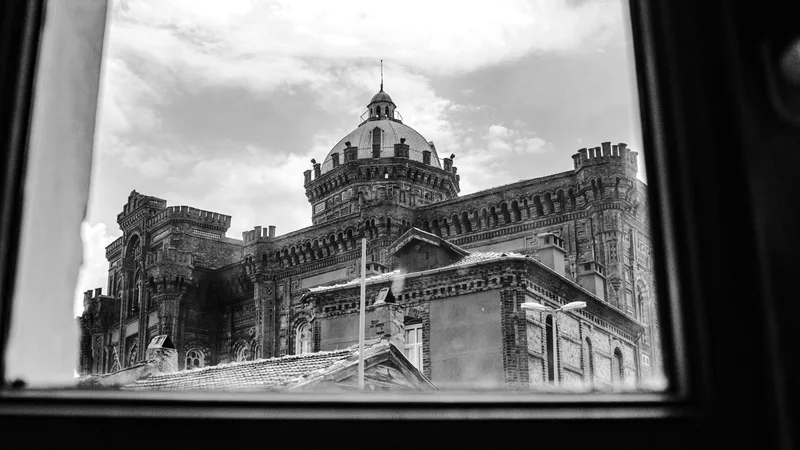
As the sun sets, casting a golden hue over the intricate details of the ancient cathedral, I raise my camera. Each click captures not just stone and mortar, but centuries of stories etched into the…
The Art of Architectural Photography
Architectural photography serves as a powerful medium to capture the essence of structures, blending art and technique. Through careful attention to detail, photographers can convey the unique story behind each building. This genre requires an understanding of both composition and lighting to create compelling images that resonate with viewers. A grand skyscraper or a quaint cottage can become a visual masterpiece. The art lies not just in what is captured, but how it is presented
To excel in architectural photography, one must develop a keen eye for angles and framing. This involves more than just pointing the camera; it's about positioning yourself to showcase the building's character and context. A well-composed photograph draws the viewer in, inviting them to explore the structure's narrative. Additionally, understanding the interplay of light and shadow can significantly enhance the mood of your images. Remember, every structure has a story waiting to be told.
Understanding Composition
Composition is crucial in architectural photography. The right angles and framing can dramatically enhance the storytelling aspect of your images. Consider using leading lines to guide the viewer’s eye through the photograph, creating a sense of depth and perspective. Symmetry often plays a vital role, especially in iconic structures where balance is inherent. Experimenting with different viewpoints can yield surprising results, revealing elements of the building that may not be immediately apparent. A well-composed shot can tell a story, while a poorly composed one may leave viewers confused.
Lighting Techniques
Effective lighting is essential for highlighting architectural features in your photographs. Natural light can dramatically alter the perception of a structure, emphasizing textures and colors. Early morning or late afternoon, often referred to as the golden hour, provides soft, diffused light that can enhance details without harsh shadows. Shooting during midday may require careful consideration of shadows and highlights. Utilize reflectors or diffusers to control light when necessary. Understanding how to manipulate light will enhance your architectural photography.
Iconic Structures Worth Capturing
There are countless iconic structures around the world that stand as examples of architectural ingenuity. These landmarks not only draw tourists but also inspire photographers to capture their grandeur. From ancient castles to modern skyscrapers, each building offers a unique opportunity to explore architectural styles and history. Understanding the significance of these structures can enhance your photography experience, allowing you to convey their stories through your lens. The right shot can evoke emotions and provoke thoughts, making these photographs truly memorable.
When seeking out iconic buildings to photograph, consider both their historical and cultural significance. Some structures may be well-known, while others might have local importance that deserves recognition. Here are a few iconic structures to consider capturing:
- The Eiffel Tower in Paris, France
- The Sydney Opera House in Australia
- The Colosseum in Rome, Italy
- The Burj Khalifa in Dubai, UAE 🌍
Global Landmarks
Global landmarks are often the highlight of any architectural photography portfolio. These structures represent not only their cities but also their countries, making them instantly recognizable. Consider the Great Wall of China, a marvel of engineering that stretches over 13,000 miles, offering photographers endless opportunities for stunning shots. Similarly, the Taj Mahal in India, with its intricate detailing and symmetrical beauty, captivates both photographers and tourists alike. Capturing these landmarks requires understanding their architectural significance and finding unique angles that showcase their beauty.
Local Gems
While global landmarks often steal the spotlight, local gems can be equally captivating and deserving of attention. These lesser-known structures often hold rich histories and unique architectural features that tell a different story. For example, a quaint library or a historic bridge in your town may not draw the crowds but can provide a personal connection and creative inspiration for photography. Exploring your local area with a photographer's eye can uncover hidden treasures that deserve to be captured and celebrated.
Mastering the Technical Aspects
To truly excel in architectural photography, mastering the technical aspects is essential. The right camera settings can make the difference between a good shot and a stunning one. Understanding how to manipulate exposure, aperture, and ISO can help you capture the intricate details and grandeur of a structure. Every building tells a story, and your camera settings are the tools you use to convey that narrative. It’s about more than just pressing a button; it’s about creating an image that resonates with viewers.
Consider the following key settings to optimize your shots:
- Shutter Speed: Adjust according to lighting conditions to avoid blur.
- Aperture: Use a smaller aperture for deep focus on architectural details.
- ISO: Keep it low to minimize noise, especially in bright settings.
- White Balance: Match it to the lighting conditions to ensure color accuracy.
Camera Settings for Architecture
When photographing buildings, the choice of camera settings directly influences the final result. A low ISO helps maintain image clarity, especially in daylight. Use a tripod to stabilize your camera, allowing for longer exposures without compromising sharpness. Experiment with different apertures to achieve varying depths of field, emphasizing particular architectural features. The goal is to create images that not only document the structure but also evoke emotion and appreciation for its design.
Post-Processing Tips
Editing your architectural images can elevate them from good to outstanding. Post-processing allows you to correct distortions caused by wide-angle lenses, ensuring straight lines remain true to life. Adjusting contrast and brightness can bring out textures and details that might be lost in the original shot. Don’t shy away from cropping to enhance composition; sometimes, less is more. Consider using filters to create mood, but be careful not to overdo it. Subtlety often leads to stronger images.
Architectural Photography in the Digital Age
The digital age has transformed architectural photography, creating new avenues for sharing and experiencing buildings. Social media platforms like Instagram and Pinterest have become essential for photographers, providing a space to showcase their work and connect with a broader audience. Trends in architecture are now influenced not only by design but also by how visually appealing a structure is for social media. Photographers must adapt to these trends while maintaining their unique perspectives and styles.
Technology has opened up exciting possibilities for how we experience architecture:
- Virtual Tours: Immersive experiences that allow viewers to explore spaces remotely.
- Augmented Reality: Overlaying digital information onto real-world views enhances interaction.
- Drone Photography: Aerial shots provide new perspectives on structures.
- Online Galleries: Sharing work has never been easier, reaching audiences worldwide.
Social Media Influence
Social media has transformed the way architectural photography is consumed. Photographers can gain instant feedback and recognition, which can be both motivating and overwhelming. The visual nature of these platforms encourages photographers to produce more eye-catching content, often prioritizing aesthetics over technical perfection. While this shift has democratized photography, it can create pressure to conform to popular trends. It’s essential to balance personal style with audience engagement to thrive in this environment.
Virtual Tours and Augmented Reality
Virtual tours and augmented reality (AR) have changed how we interact with architecture. These technologies allow users to explore spaces in depth, often from the comfort of their homes. Virtual tours can showcase a building's design intricacies that a single photograph may not capture. AR enhances this experience by providing contextual information, making it interactive and informative. As these technologies evolve, they present exciting opportunities for architects and photographers to collaborate, merging design with digital innovation.
Exploring Casino Architecture Through Photography
Architectural photography captures the essence of structures, telling stories through angles, light, and context. In the world of casinos, this art form reveals more than just buildings; it unveils a blend of design, culture, and entertainment. Unique architectural elements of casinos reflect their purpose, often merging grandeur with subtlety, inviting guests into a world of excitement. Whether it’s the sleek lines of a modern skyscraper or the ornate details of a classic casino, each photograph can evoke a sense of place and experience.
To effectively photograph casino architecture, one must understand the interplay of light, space, and perspective. The best shots often come from considering the environment around the building. Observing how natural light interacts with the structure at different times of the day can yield stunning results. Additionally, capturing the hustle and bustle of casino life adds layers to the architectural narrative. It’s not just about the building; it’s about the atmosphere it creates.
The Design of Modern Casinos
Modern casinos boast architectural designs that push boundaries and challenge traditional norms. Elements such as glass facades, intricate lighting, and innovative layouts are common. These designs often prioritize flow, ensuring that guests can navigate the space effortlessly. The combination of aesthetics and functionality is key. Some casinos incorporate sustainable materials and green spaces, reflecting a shift towards eco-conscious design. Such features enhance visual appeal and promote a more enjoyable experience for visitors.
Capturing the Atmosphere
Photographing the atmosphere of a casino requires a keen eye for detail and an understanding of the environment's energy. The vibrant colors, bustling crowds, and dynamic lighting all contribute to the overall experience. To effectively capture this, consider the following tips:
- Use a fast shutter speed to freeze motion and convey excitement. 🎥
- Experiment with angles to find unique perspectives that highlight the architecture.
- Incorporate elements of the crowd to showcase the lively atmosphere.
- Pay attention to lighting; nighttime shots can reveal the casino's dazzling allure.