Urban Architecture: The Heartbeat of City Life
Henry Murray ·
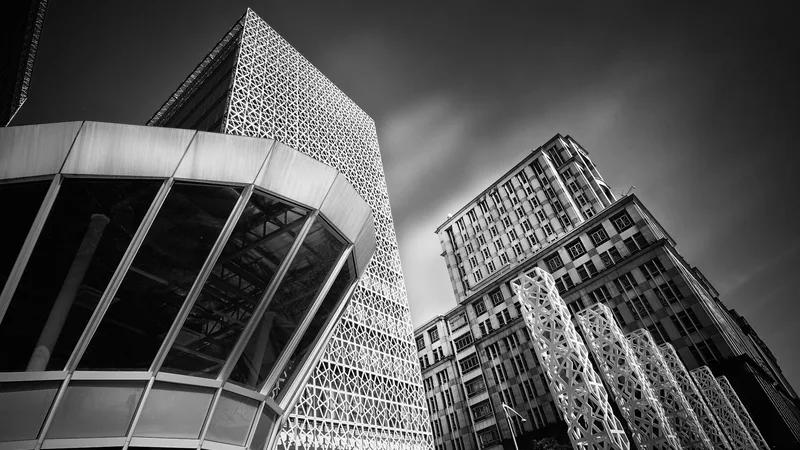
The skyline of a city tells stories, each building a chapter in the narrative of urban life. From towering skyscrapers to charming low-rise structures, architectural photography captures these…
The Influence of Architecture on Urban Spaces
Architectural photography captures the essence of structures that shape our cities. The interplay of form and function within urban environments reveals how design influences the daily lives of residents and visitors alike. Each building tells a story, reflecting cultural values and historical contexts. Observing these designs through the lens of a camera allows us to appreciate the artistry involved. It encourages us to consider how our surroundings are not merely functional but also emotional spaces that enhance our experiences
Understanding urban architecture shows how it fosters public interaction. Streets, parks, and plazas are designed not just for movement but for gathering and connecting. The arrangement of spaces invites people to engage with one another and the environment. This social aspect of architecture plays a crucial role in city life, creating a sense of community. A well-designed building can transform a simple street corner into a vibrant hub of activity. 🏙️
Form and Function
The relationship between form and function is pivotal in architectural design. Buildings are not just visually appealing; they must also serve a purpose. For instance, a library's layout encourages quiet study and collaboration, while a sports arena is designed for energy and excitement. Architects often face the challenge of balancing aesthetic appeal with practical use. The result can define the success of a structure. An effective design enhances user experience and promotes efficiency in daily activities.
Public Interaction
Public spaces are designed to facilitate interaction among people. Well-planned urban areas encourage gatherings, events, and socialization. Features like open plazas, seating areas, and pedestrian-friendly streets foster a sense of belonging. These spaces can become the heartbeat of a city, where community events are held and relationships are built. Recognizing how architecture creates opportunities for connection and engagement influences the overall vibrancy of urban life is crucial.
Architectural Styles that Define City Identity
The unique architectural styles present in a city shape its identity and character. Historical influences from various movements contribute significantly to the aesthetic and functional aspects of urban design. From Gothic cathedrals to modern skyscrapers, each style reflects the values and aspirations of its time. Cities evolve, and so do their architectural languages, creating a rich array of historical narratives. Understanding these styles allows us to appreciate the diverse influences that define our urban environments.
Contemporary architecture continues to adapt to the ever-changing urban environment. Current trends often emphasize sustainability and innovation. Architects explore new materials and techniques to create buildings that are visually striking and environmentally responsible. Many cities now feature green roofs, energy-efficient designs, and community-oriented spaces. These modern approaches reflect a growing awareness of the need for harmony between urban development and nature.
Historical Influences
Historical architectural movements have left an indelible mark on modern cityscapes. Styles such as Renaissance, Baroque, and Art Deco can still be seen in many urban environments today. These influences inform design choices, materials, and spatial arrangements. By studying past styles, architects can draw inspiration and learn lessons about durability and aesthetic appeal. Understanding these historical contexts enriches our appreciation of the built environment and helps us recognize the evolution of architectural design.
Contemporary Trends
Contemporary architectural trends reflect the dynamic nature of urban evolution. Innovations in technology and materials have led to exciting new forms and structures. Open-concept designs and mixed-use developments are becoming increasingly popular. These trends promote interaction and convenience by blending living, working, and recreational spaces. Architects also prioritize sustainability, incorporating eco-friendly practices into their designs. This shift addresses modern environmental challenges and fosters a sense of responsibility toward future generations.
Architectural Photography: Capturing Life and Structure
Architectural photography serves as a vital lens through which we appreciate the synergy between human creativity and structural design. It encapsulates the essence of buildings, providing viewers with a sense of ambiance and functionality of urban spaces. Through careful composition and technique, photographers can highlight intricate details that might otherwise go unnoticed, making the ordinary appear extraordinary. The interplay of lines, shapes, and textures creates a visual narrative that invites deeper exploration of the structures that define our cities.
Effective architectural photography requires a keen understanding of perspective and scale. Photographers often employ various methods to emphasize architectural details and capture the essence of the design. Whether through wide-angle lenses that showcase expansive structures or close-up shots that reveal craftsmanship, the right techniques can elevate a photograph. Here are a few methods to consider:
- Experiment with angles to find the most compelling perspective.
- Utilize leading lines to guide the viewer's eye through the image.
- Incorporate human elements to provide context and scale.
- Focus on unique architectural features that tell a story.
Techniques for Impactful Shots
To truly capture the magnificence of a building, one must be adept at various photographic techniques. Mastering composition is crucial; the rule of thirds can greatly enhance visual interest. Additionally, using negative space can draw attention to the architectural subject itself. Experimenting with depth of field allows photographers to isolate details while keeping the surrounding context blurred. Each technique contributes to crafting images that resonate with viewers, igniting a sense of place and purpose.
The Role of Light and Shadow
Lighting plays a transformative role in architectural photography, capable of altering a structure's perception entirely. The golden hour, with its soft, warm glow, can highlight textures and contours beautifully, creating depth in images. Shadows add drama and intrigue, accentuating architectural lines and creating a three-dimensional effect. Understanding how to manipulate natural and artificial light is essential for any photographer aiming to convey the true character of a building.
The Integration of Casino Entertainment in Urban Design
Casinos have become more than just gaming venues; they are pivotal elements in urban design, influencing the aesthetics and functionality of city landscapes. Their presence can reshape neighborhoods, bringing vibrancy and attracting visitors. The architectural style of casinos often reflects local culture while incorporating modern design elements. This blend enhances architectural appeal and contributes to the overall urban experience. Casinos act as social hubs, fostering community interaction and economic growth.
As cities evolve, the integration of casino entertainment into urban design is increasingly prevalent. These spaces are designed not only for gaming but also for leisure, dining, and entertainment, creating multifaceted environments. Here are a few ways casinos contribute to the urban fabric:
- Creating iconic landmarks that define city skylines.
- Enhancing pedestrian pathways and public spaces around the venue.
- Promoting local businesses through increased foot traffic.
- Incorporating sustainable practices in building design.
Transformative Spaces
Casinos reshape urban landscapes by transforming previously underutilized areas into dynamic spaces. These developments often include outdoor plazas, performance areas, and art installations that engage the public. The design encourages social interaction, fostering a sense of community. The aesthetic appeal of these spaces can attract tourists and locals alike, creating a continuous flow of activity. Such transformations highlight the potential of casinos to serve not just as entertainment venues but as catalysts for urban revitalization.
Architectural Innovation in Casinos
Modern casinos increasingly incorporate innovative architectural elements that draw in visitors. This includes unique facades, expansive atriums, and interactive installations that enhance the gaming experience. The design prioritizes guest comfort, with spacious layouts and inviting atmospheres. Architects strive to create immersive environments where visitors can enjoy gaming alongside world-class dining and entertainment. As a result, these venues become destinations in their own right, blending entertainment with cutting-edge design.
Architectural Photography and Online Baccarat Play
Architectural photography captures the essence of structures that define our urban landscapes. From towering skyscrapers to intricate historical buildings, these images tell stories about the cities we inhabit. A well-composed shot can evoke emotions and transport the viewer to the scene. This art form goes beyond mere documentation; it highlights design, functionality, and the impact of architecture on everyday life. Cities constantly evolve, and the role of photography in capturing these transformations is vital for preserving our architectural heritage.
As we explore the intersection of architectural photography and online gaming, a fascinating connection arises. The design of casinos, both physical and virtual, plays a critical role in enhancing the overall gaming experience. Stunning architectural elements can draw players in, creating an inviting atmosphere that encourages engagement. This relationship between aesthetics and user experience can significantly influence the popularity of online platforms, including games like baccarat.
Visual Appeal of Casino Architecture
The architectural design of a casino can significantly enhance the gaming experience. Iconic structures often feature grand entrances, opulent interiors, and immersive themes that capture players' imaginations. For example, the Bellagio in Las Vegas is renowned for its stunning fountains and luxurious decor, creating a captivating environment for visitors. This visual appeal is not just about aesthetics; it sets the mood and can even influence player behavior. A striking design can make the gaming experience feel more special, encouraging players to spend more time at the tables.
Bridging the Gap Between Physical and Virtual
Online gaming platforms have taken inspiration from the architectural marvels of physical casinos. Designers incorporate elements that mimic the grandeur of real-world locations, creating an immersive virtual experience. For instance, many online baccarat games feature realistic graphics that replicate the ambiance of a high-end casino. This blend of architecture and digital design bridges the gap between physical and virtual spaces. Players can enjoy an authentic gaming experience from their homes, all while appreciating the influence of architectural styles on their gameplay. 🏛️