Lighting in Architecture: A Photographer's Perspective
Henry Murray ·
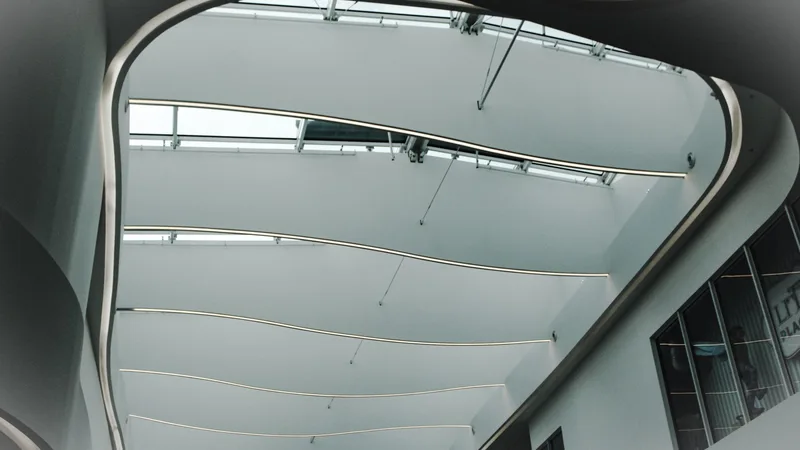
Standing in the heart of a city, I find myself captivated by the interplay of light and architecture. The sun casts dramatic shadows across the sleek glass façade of a modern skyscraper, revealing…
The Impact of Natural Light on Architectural Photography
Natural light plays a central role in architectural photography, influencing not just visibility but also the emotional tone of a photograph. It can enhance textures, create patterns, and set a mood that resonates with the viewer. Understanding how to harness this light can elevate your work from ordinary to extraordinary. For photographers, the challenge lies in capturing fleeting moments when light transforms a structure into a living entity
Each hour of the day offers unique qualities of light, making timing essential. By mastering the subtleties of natural illumination, photographers can capture the essence of architectural design. This knowledge allows for impactful storytelling through images, revealing the intricate details of a building's design while engaging the viewer in a visual dialogue.
Golden Hour Magic
The golden hour, occurring shortly after sunrise and before sunset, is often regarded as the most favorable time for architectural photography. During this period, the sunlight is softer and warmer, creating a golden hue that enhances the aesthetic appeal of structures. Photographers can take advantage of this light to highlight the curves and lines of a building, offering a visual depth that harsh midday sun cannot provide. Planning shoots around these times yields stunning results that resonate with viewers on an emotional level.
Seasonal Variations
As the seasons change, so does the quality and angle of natural light. Each season brings its own character to the environment, which can dramatically affect photographs. In spring, for instance, the light is often bright and vibrant, emphasizing freshness and growth. In contrast, autumn light can be golden and soft, enhancing the warmth of brick and wood structures. Photographers should be aware of these seasonal shifts, adjusting techniques accordingly. Understanding these variations allows for better planning of shoots to capture the desired mood and effect. 🍂
Artificial Lighting Techniques in Architectural Photography
Artificial lighting can complement or even replace natural light in architectural photography, providing more control over images. Different types of artificial light sources—LED, tungsten, and flash—each have unique characteristics that can enhance or alter the appearance of a building. The key is to understand how these light sources interact with architectural materials and the overall scene. Mastery of artificial lighting techniques leads to dynamic and captivating photographs.
Using artificial light effectively requires a balance between light sources and existing conditions. When used correctly, artificial lighting can fill in shadows, highlight details, and create a sense of depth that might be missing in natural light alone. Photographers often experiment with various setups to find the perfect combination that showcases the architecture in the best light, literally and figuratively.
Understanding Light Sources
Different artificial light sources can dramatically influence the outcome of an architectural photograph. LED lights are energy-efficient and versatile, often used in various settings. Tungsten lights offer a warm glow that enhances the richness of certain materials, while flash effectively freezes motion and illuminates shadows. Each type of light has its pros and cons, and understanding these is essential for any photographer looking to refine their craft. Properly utilizing these sources can turn a flat image into a vibrant representation of architectural beauty.
Balancing Natural and Artificial Light
Achieving harmony between natural and artificial light can elevate architectural photography to new heights. Photographers should consider the intensity, color temperature, and direction of both light sources. A well-balanced image draws the viewer in, guiding their eyes across the photograph. Techniques such as using reflectors to bounce natural light or adjusting the white balance make a significant difference. Always keep an eye on the interplay of light and shadow; it is often in contrasts that the most compelling images emerge. 🎨
Architectural Photography: Techniques for Capturing Light
Capturing light effectively is crucial in architectural photography. The way light interacts with structures can transform a simple image into a captivating portrayal of design. Understanding how to manipulate camera settings based on available light significantly enhances photographic outcomes. This involves adjusting exposure, ISO, aperture, and shutter speed to achieve the desired effect.
Adapting your approach to different lighting conditions is essential. Whether shooting in bright daylight or low-light settings, each scenario requires unique adjustments. Here are some key camera settings to consider:
- ISO: Lower ISO for bright conditions, higher for darker environments.
- Aperture: Wider aperture (lower f-number) for low light, smaller for bright light to avoid overexposure.
- Shutter Speed: Slow shutter speeds can capture more light but risk motion blur; faster speeds freeze action.
- White Balance: Adjust based on lighting temperature to ensure true color representation.
Composition Strategies
Framing your shots with light in mind can dramatically change the narrative of your architectural photography. Consider how shadows and highlights can add depth and dimension to your images. Positioning yourself to utilize natural light creates striking contrasts that enhance the architectural features you wish to showcase. Think about the time of day; golden hour often yields the best light for dramatic effects. Experimenting with angles and perspectives can lead to unique compositions that tell a story about the space.
The Role of Lighting in Casino Architecture
Lighting plays a pivotal role in shaping the ambiance of casino architecture. It illuminates and creates an emotional experience for visitors. Casinos are designed to entice and engage, with strategic lighting being one of the most effective tools. From the moment guests walk in, the lighting sets the tone and influences their mood. Understanding how these elements work together enhances both design and guest experience.
Casinos often employ intricate lighting designs to create different atmospheres. Here’s how they do it:
- Layered Lighting: Combining ambient, task, and accent lighting creates a rich experience.
- Color Temperature: Warm tones create a welcoming feel, while cooler hues evoke excitement.
- Dynamic Changes: Lighting can shift throughout the day or in response to events to maintain engagement.
- Spotlighting: Key architectural features are highlighted to draw attention and add drama.
Creating an Atmosphere
Casinos are masters at using lighting to craft specific atmospheres that enhance the overall guest experience. The entrance features bright, inviting lights to draw people in, while gaming areas use softer lighting to create a relaxed vibe. This contrast keeps players at ease while stimulating excitement. A well-lit bar area might highlight vibrant colors, encouraging social interaction. The interplay of light and architecture in these spaces is carefully orchestrated to keep guests entertained and, ultimately, gambling.
Highlighting Features
Techniques used to spotlight architectural details in casinos often include strategic lighting placements that enhance visual interest. Spotlights directed at unique design elements draw the eye and create focal points. This showcases the architecture and adds to the overall allure of the casino. For instance, a stunning chandelier might be illuminated from below, casting intricate shadows that add to its grandeur. Such techniques transform ordinary spaces into extraordinary experiences, merging the art of architecture with the thrill of gaming.
Exploring Online Baccarat Play in a Modern Setting
Architectural photography often highlights the interplay of light and structure, creating visual narratives that captivate viewers. The way light interacts with surfaces, shapes, and materials can transform an ordinary space into something extraordinary. This principle extends beyond traditional architecture and finds relevance in the burgeoning world of online baccarat play. Here, virtual environments leverage sophisticated lighting design to enhance the overall gaming experience, creating a setting that mimics and amplifies the thrill of a real casino.
Effective lighting design in online casinos can evoke emotions and set a particular mood, much like in architectural photography. It draws players into the game, making them feel part of an exclusive high-stakes environment. With the right techniques, online platforms can simulate the ambiance of a physical casino, ensuring that players remain engaged for longer periods. This connection between lighting and user engagement is crucial, especially in a competitive market where attention spans are limited.
Virtual Environments and Lighting Design
In the realm of online gaming, lighting design plays a pivotal role in creating an inviting and exhilarating atmosphere. Bright, dynamic lighting enhances the excitement of a baccarat table, while softer hues promote a more relaxed vibe. Developers utilize techniques, such as backlighting and spotlighting, to create focal points that guide players’ attention where it matters most. The integration of these elements improves aesthetic appeal and contributes to the overall functionality of the gaming interface.
Capturing the Essence of Casino Gaming
The importance of light in online baccarat cannot be overstated. It serves as a tool to capture the essence of the casino experience, making players feel as though they are part of a vibrant, bustling environment. Effective lighting highlights key features of the game, such as the dealer and the cards, ensuring that players remain engaged. Additionally, the use of color and contrast can evoke specific emotions, enhancing the thrill of the game. As one designer noted, “Lighting is the silent partner that shapes the gaming experience.”